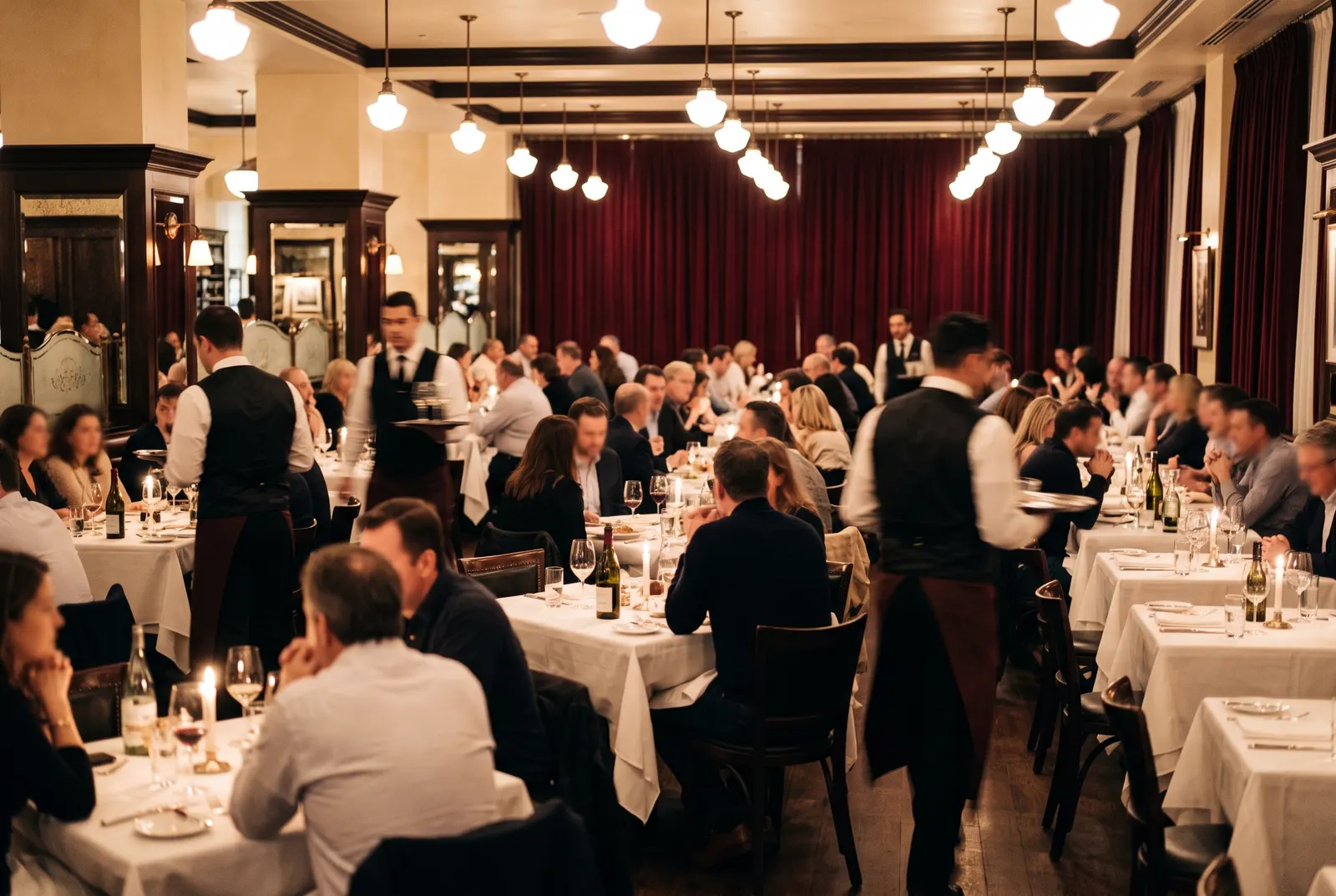
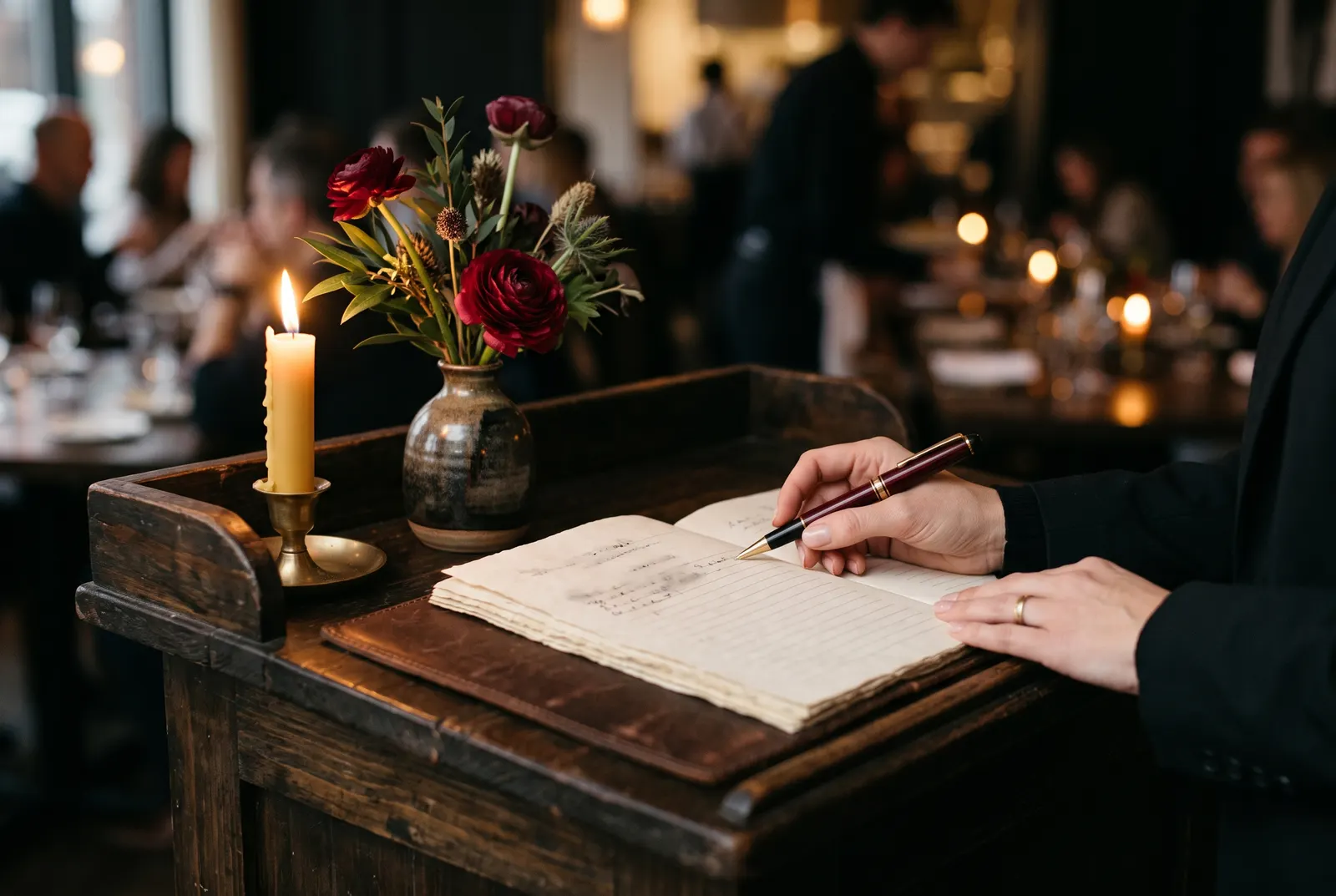
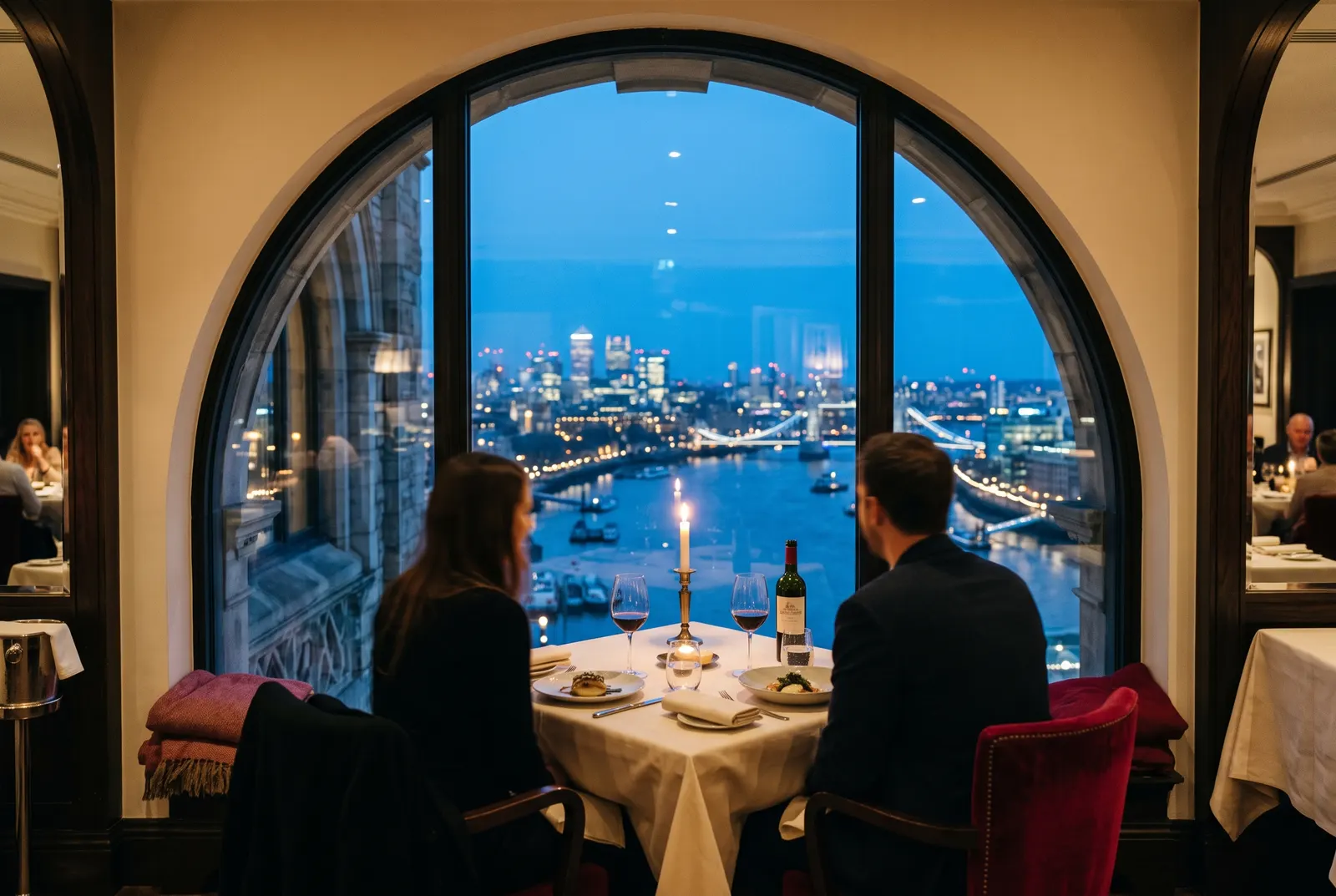
How deposits cut no-shows without scaring guests away
A deposit is not a penalty. It is a promise, and the way you ask for it decides whether a guest books at all. Here is how to hold the night without turning the welcome cold.
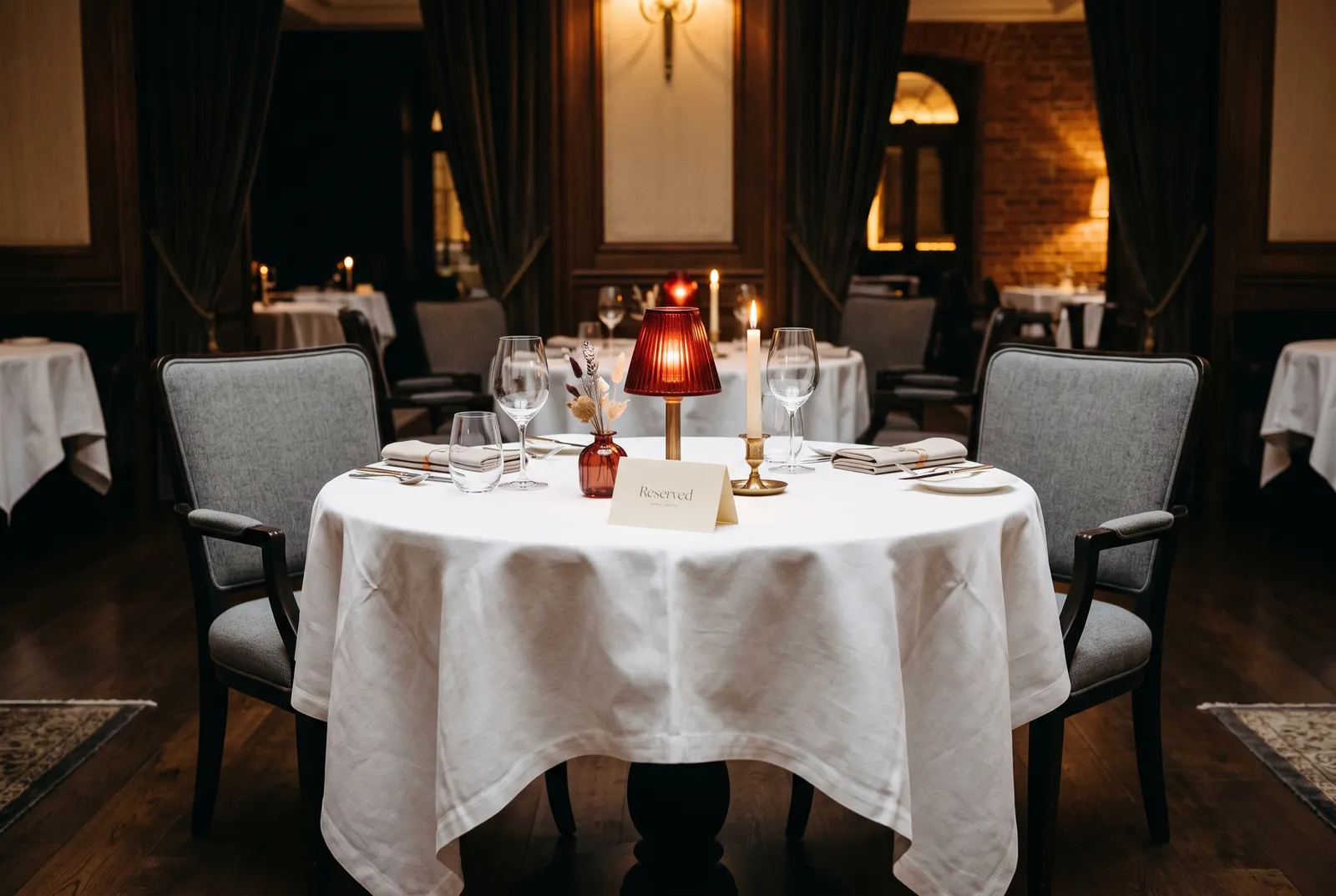
Every owner knows the table. Laid for four at eight, glasses polished, the host glancing at the door at quarter past and again at half past. By nine it is clear nobody is coming, and by nine it is too late to give the table to anyone else. One empty table on a Saturday is an annoyance. A few of them, and the evening's margin has gone before the first main course leaves the pass.
The standard answer is the deposit: take money up front and people turn up. It works, in the narrow sense. It also changes what the booking feels like, and in a premium restaurant the booking is where the evening begins. A guest who is treated as a risk before they have seen the menu arrives slightly on guard. Some never arrive at all, because they closed the tab at the payment screen and booked somewhere that asked for less.
So the useful question is not whether deposits work. It is when they are worth what they cost, and how to ask so that the asking itself feels like hospitality.
Why guests fail to turn up
Very few no-shows are malicious. People forget. They book two places while the group makes up its mind. Plans change on a Thursday and cancelling seems like more trouble than it is worth: the booking came through an app they have since deleted, the confirmation is buried in an inbox, the phone line only opens at noon.
Underneath all of that sits a simpler reason. The guest does not feel they owe your restaurant a call, because nothing about the booking felt like a relationship with your restaurant. A form on someone else's site is a transaction with a platform. A booking made on your own site, where the guest chose a particular table in your room and got a message back in their own language, is a small promise to a particular place. People drop transactions without a second thought. Promises are harder to break.
When a deposit earns its place
There are nights when a deposit is simply sensible: the ones where an empty table costs the most and is hardest to refill.
- Large parties, where one no-show empties a whole section of the room.
- Set menus and tasting evenings, where the kitchen buys and preps for an exact count.
- The dates everyone wants: the Friday before a holiday, New Year's Eve, the night of a big event in town.
- Bookings made months ahead, when plans have plenty of time to change.
Outside those nights, a deposit on a Tuesday table for two mostly filters out guests you would have been glad to see. Asking for one on every booking is a policy written for the worst guest and applied to all of them.
How to ask without the chill
When you do ask, the wording and the moment carry most of the weight.
Say what it is. “Your deposit comes off the bill on the night” and “A no-show fee will be charged” may describe exactly the same money. Only the first one assumes the guest is coming.
Ask after the choice is made. A guest who has already picked the date, the hour and the table has decided they want this evening. At that point the deposit confirms a decision. Asked for up front, before they have seen anything, it feels like an entry fee.
A deposit should confirm a decision the guest has already made. It should never guard the door.
Make the exit easy. The guest who can cancel in two taps on Thursday is the guest who does not leave you waiting on Saturday. A clear cancel link is the cheapest no-show prevention there is, and it hands you the table back while there is still time to fill it.
Let a person decide the refund. Rules like “no refunds inside 48 hours” are easy to write and miserable to enforce against someone whose child woke up with a fever. A manager who can open the booking, see a guest who has been coming for years, and give the money back is protecting something worth far more than the deposit.
Belonging does the rest
A deposit is a backstop. What fills the room reliably is a guest who feels the table is theirs. They chose it themselves, by the window or by the fire. They received a confirmation in their own language, with a link to change it if plans move. The next time they book, the restaurant already knows about the allergy and the anniversary. People keep promises to places that know them.
That is the thinking behind Couvert. Guests book by choosing a real table in a model of your room, and the confirmation arrives by SMS in their language with a link to manage or cancel. Deposits are there when you want them, through Stripe's hosted checkout, and absent when you do not. When a refund comes up, someone on your team makes the call. Most of the time, the table a guest chose is the table they keep.