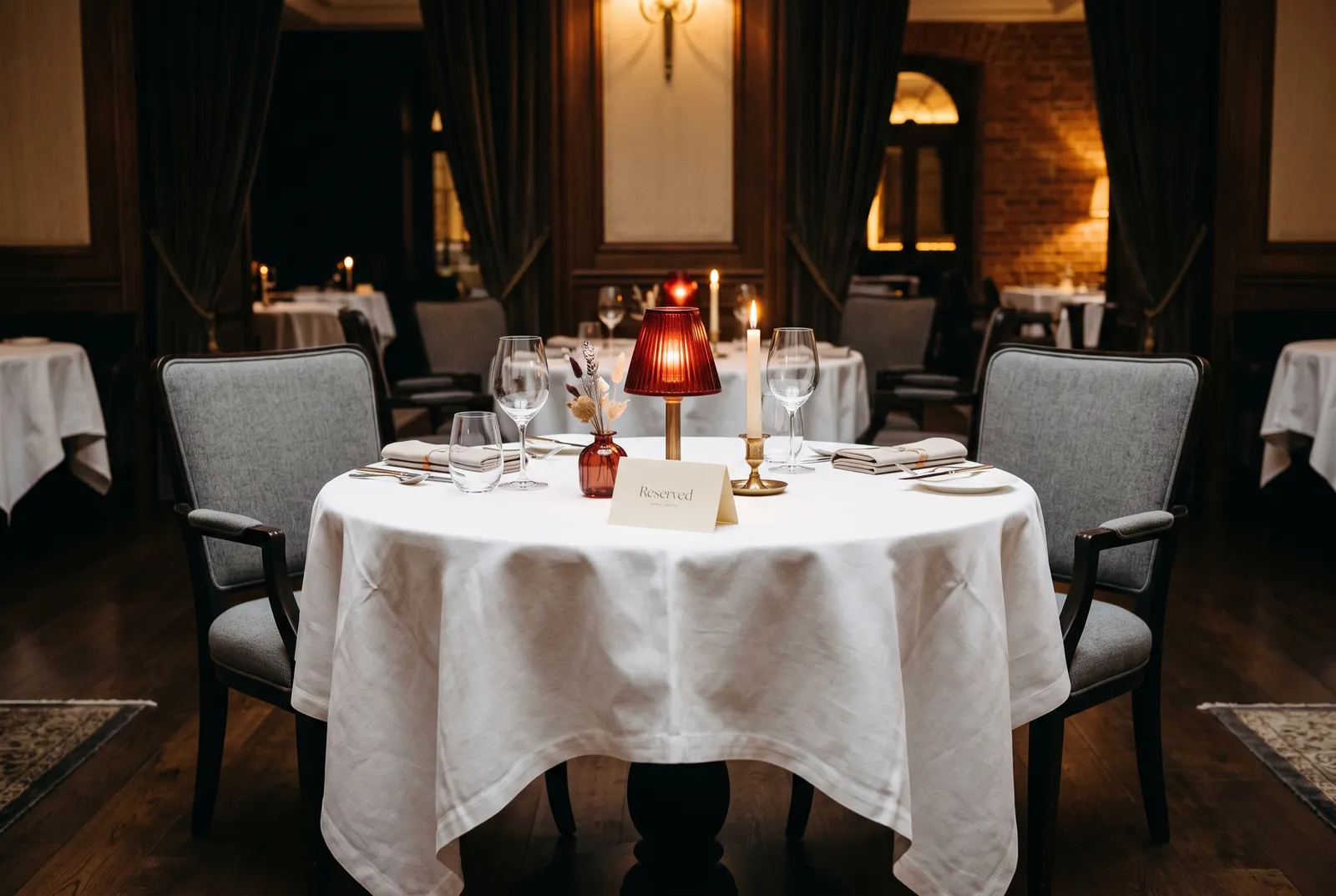
Why guests remember the night they picked their own table
Choosing the seat is choosing the evening. A table picked by hand is rarely the table left empty.
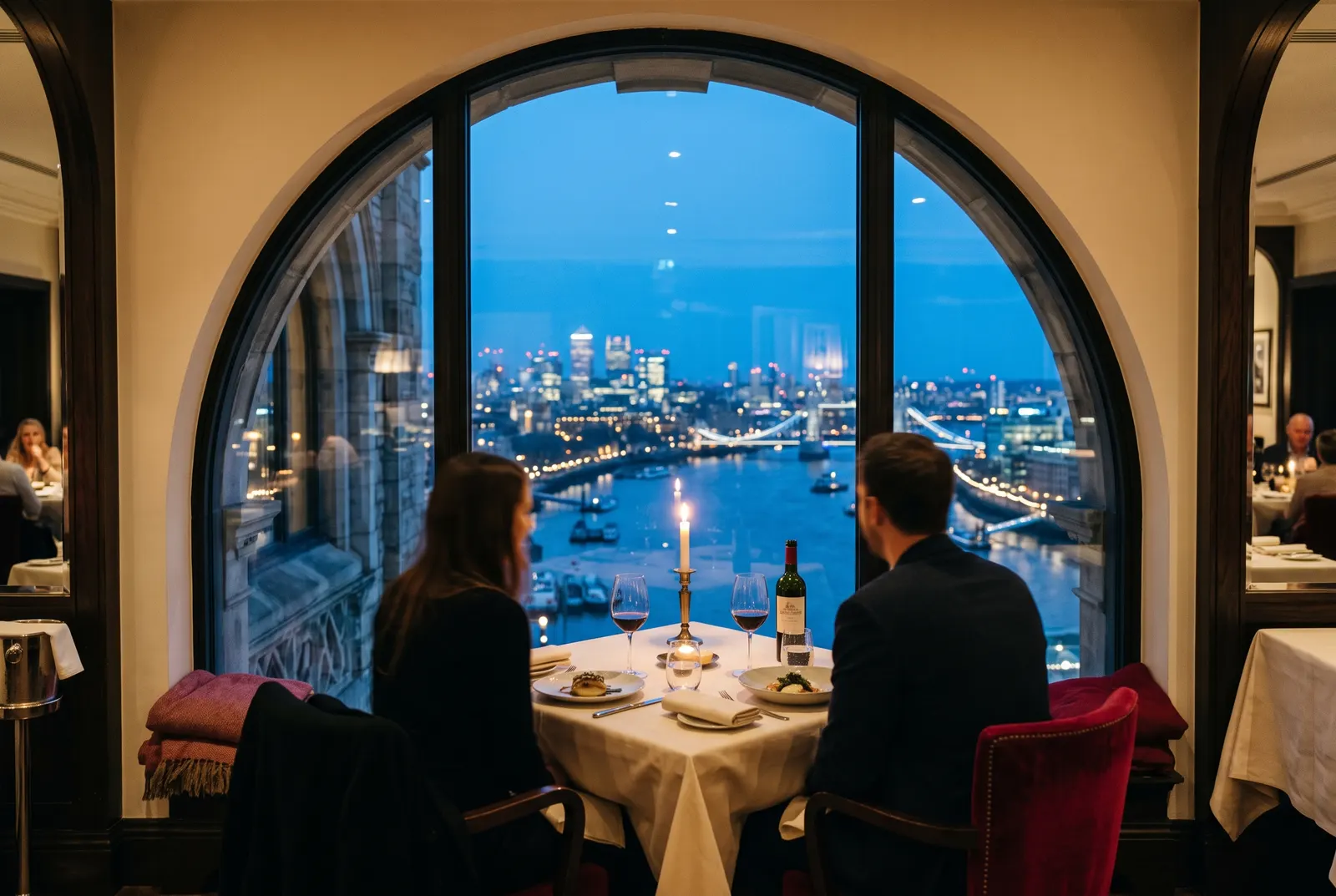
Ask someone about a dinner they loved, a few months later, and they will often start with where they sat. “We had the table in the window.” “We were right by the fire.” The food, the wine and the conversation are all in the story, but the seat is often the frame around it.
Most booking forms throw that away. They ask for a date, a time and a party size, and perhaps offer a box marked “seating preferences” that someone reads at five o'clock, if at all. The guest arrives and is shown to whichever table the evening's plan allows. It is usually fine. It is rarely remembered. Nobody tells a friend about the table the evening's plan allowed.
Choosing is committing
Something changes when a guest picks the table themselves. The evening starts earlier. They can picture it: the arched window, the low light, the fire on the left. The booking stops being a slot in someone's system and becomes a plan they made.
People keep the plans they make. A table chosen by hand is a small act of ownership, and ownership is a far better reason to turn up than a fee for not turning up. It also changes how a change of plans feels. The guest knows exactly which table they are giving up, and letting it sit empty feels like a waste.
There is anticipation in it as well. A guest who has chosen the window table will think about it again the day before, show it to the person they are bringing, perhaps move the booking a little earlier to catch the last of the light. By the time they walk in, the evening has been going well for days, and the host is welcoming someone who already expects to be happy.
A time slot is easy to forget. A table by the fire is a plan.
One room, many evenings
FLO in Rīga shows why this matters. Its booking runs on floresto.lv, where guests see the restaurant modelled as it is: 18 tables and 68 seats across three zones, the Red Room, the bar and the terrace. In the Red Room alone, two tables sit in the arched windows, three in the hall and three by the fireplace. Every one of those tables sits in the model exactly where it stands in the room, so the guest is choosing the real thing.
Those are different evenings in the same room. A window table suits a couple who want the light and a little distance. The fireplace suits a long, slow dinner in the cold months. The hall suits a table that wants to be in the middle of things. The bar and the terrace are different evenings again. A form that asks only for a time treats all of them as the same seat. The guest who wanted the fireplace, and got it because they chose it, goes home and tells the story of the fireplace.
The owner's worry
The usual objection is control. If guests choose, won't they all want the same two tables? Won't the floor end up arranged by whoever booked first, rather than by the host?
It is a fair worry, and the answer is that the guest only ever chooses among what the restaurant offers that evening. Taken tables show as taken. Tables too small for the party dim out. While a guest finishes the booking, their table is held for five minutes, so two people never reach for the same seat and lose it at the last step. And the host still runs the room: from the panel they can move a booking when the night calls for it, the way they always have.
If the two window tables go first every Friday, that is worth knowing too. It tells you what guests value in your room, in their own choices, more plainly than any survey would.
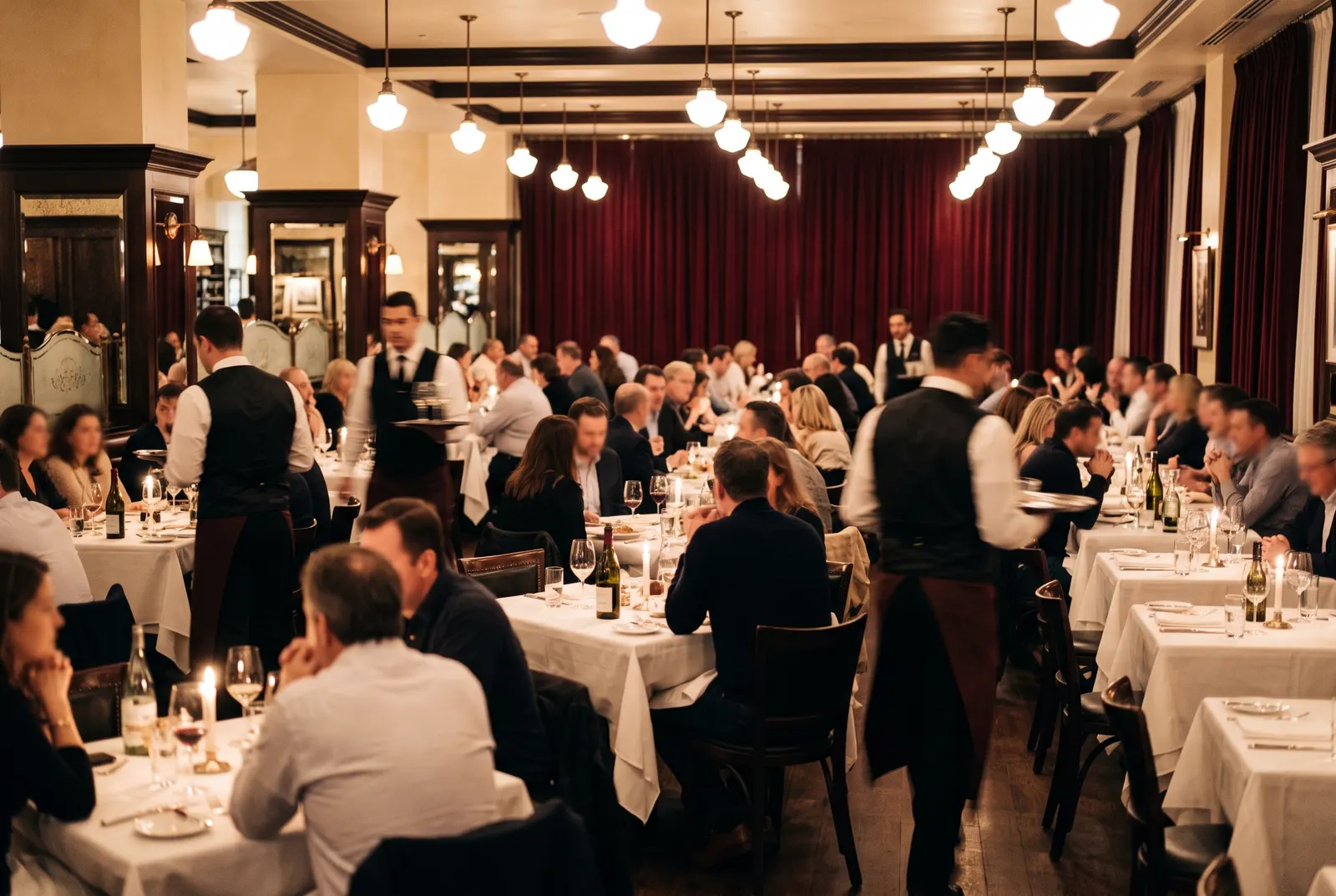
The alternative deserves a question too. A room packed as tightly as software can manage is one way to measure a good night. A room full of people who wanted to sit exactly where they are sitting is another, and it tends to be the room guests come back to.
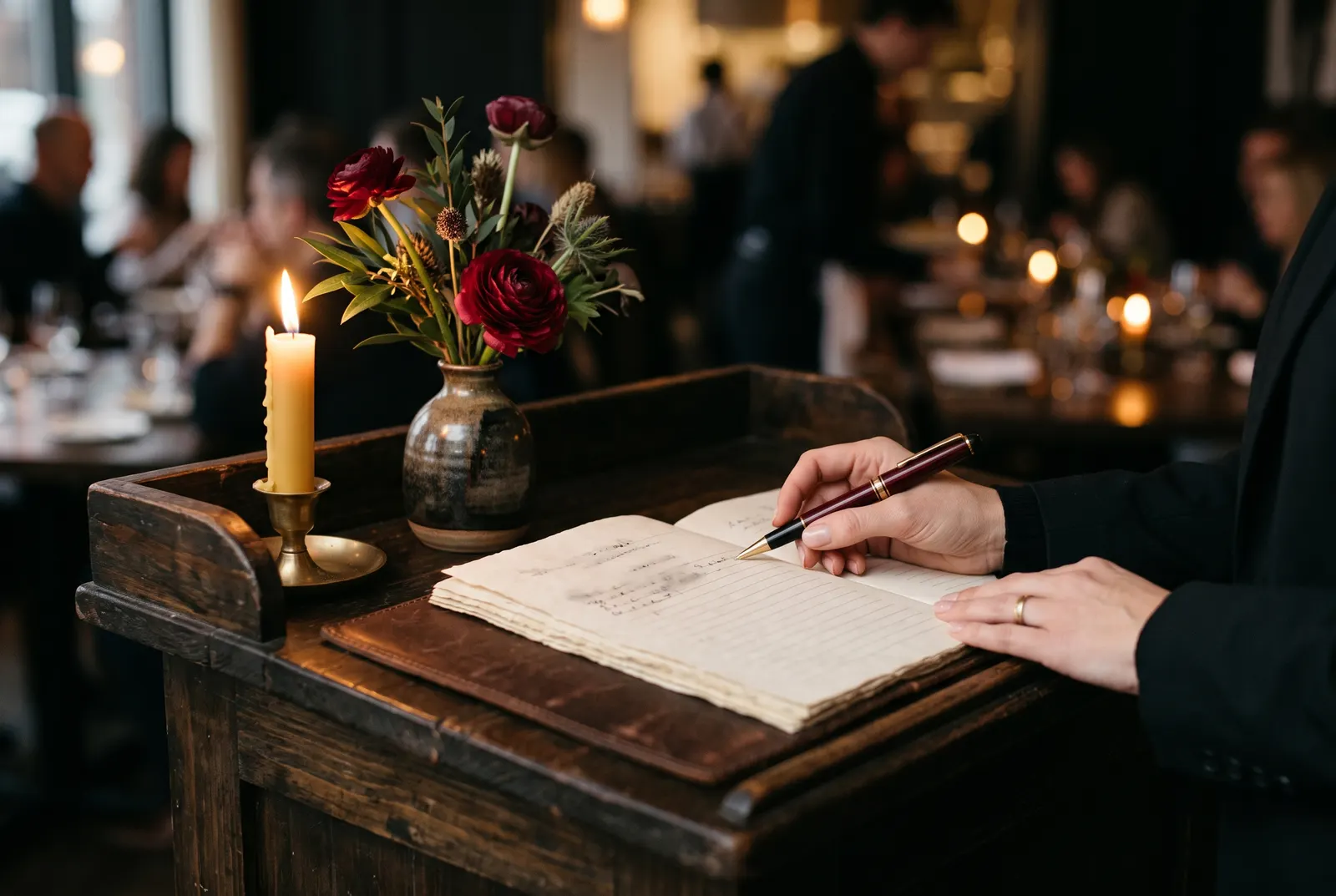
That is the idea Couvert is built around. Guests book by choosing a real table in a model of your room, in 3D or as a plan, and they see which tables are free before they commit. The host sees the booking on tonight's book, table and all. When the guest walks in, the host already knows where they want to be and can lead them there without asking. The seat was the guest's choice, and the evening they remember starts there.