Designing a welcome that starts before the guest arrives
The evening opens at the booking, not at the door. A poured glass and a note make the table feel awaited.
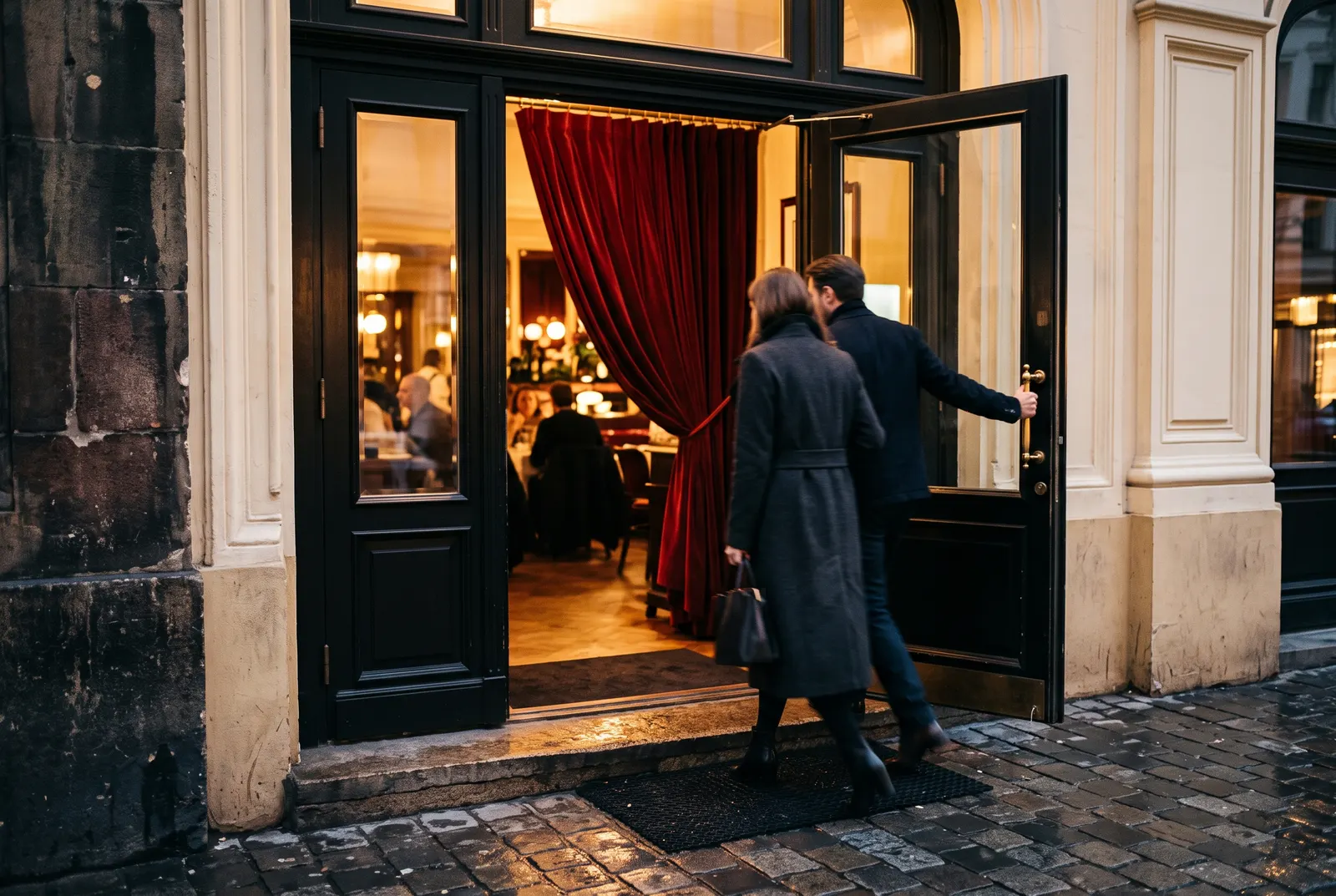
Ask a guest when their evening began and few will say “at the door”. It began when someone suggested the place, when they found a free Friday, when they booked. By the time they walk in, they have been living with the reservation for days. The welcome either picks up that thread or starts again from nothing.
Most restaurants start from nothing. The booking is a transaction handled by a form, the confirmation is a line of text, and the first human warmth arrives when the host looks up from the stand. That can still be a lovely moment. But it comes late, and it has to do all the work alone.
The booking is the first course
A reservation carries a mood. The guest who chooses a window table for two on a Saturday is telling you something. So is the party of six who picked the quieter corner at the back. When the booking lets a guest choose a real table in a room they can see, the choosing becomes part of the anticipation. They already know where they will sit. They have pictured it.
This is why the tone of the booking matters as much as its speed. One question at a time, in the guest's own language, with no wall of empty fields. A table held for them while they finish, so it cannot disappear from under their hands. A confirmation by text that sounds like the restaurant, with a link to change or cancel if plans move. Each of these is small. Together they say: we are expecting you, and we have been paying attention.
A poured glass and a note
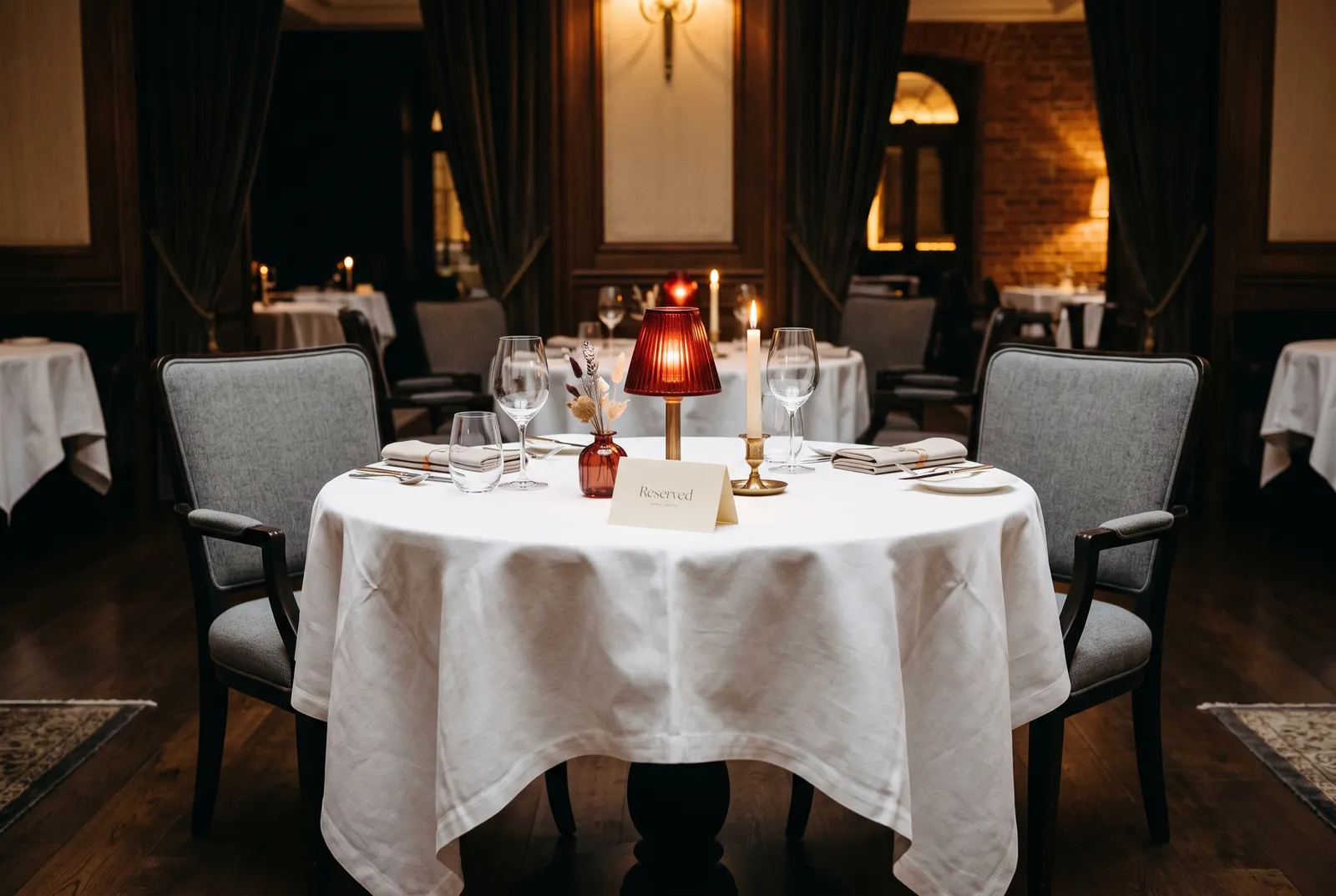
Then there is the welcome itself. When a guest can choose, at the moment of booking, a welcome to be waiting for them, the arrival changes. They sit down and the glass is already poured. A short note rests beside it. The table does not look free. It looks awaited.
What is in the glass matters less than what the glass proves. The guest made a small request days ago, and here it is, kept without a reminder. That tells them the whole house has been listening: the host, the floor, the bar. It sets the tone of the evening before a menu is opened.
It also changes the first minute for your staff. A host leading guests to a table that already carries a welcome does not have to produce warmth from nothing. The warmth is on the table. The host can spend those seconds on the name, the coats and the walk across the room.
Warmth that arrives before the guest does is warmth nobody has to improvise.
What the house needs to know
A welcome planned in advance only works if the information travels. The note about the anniversary has to reach whoever pours the glass. An allergy has to reach the kitchen before the first plate leaves the pass. The regular who always asks for the corner table should not have to ask again.
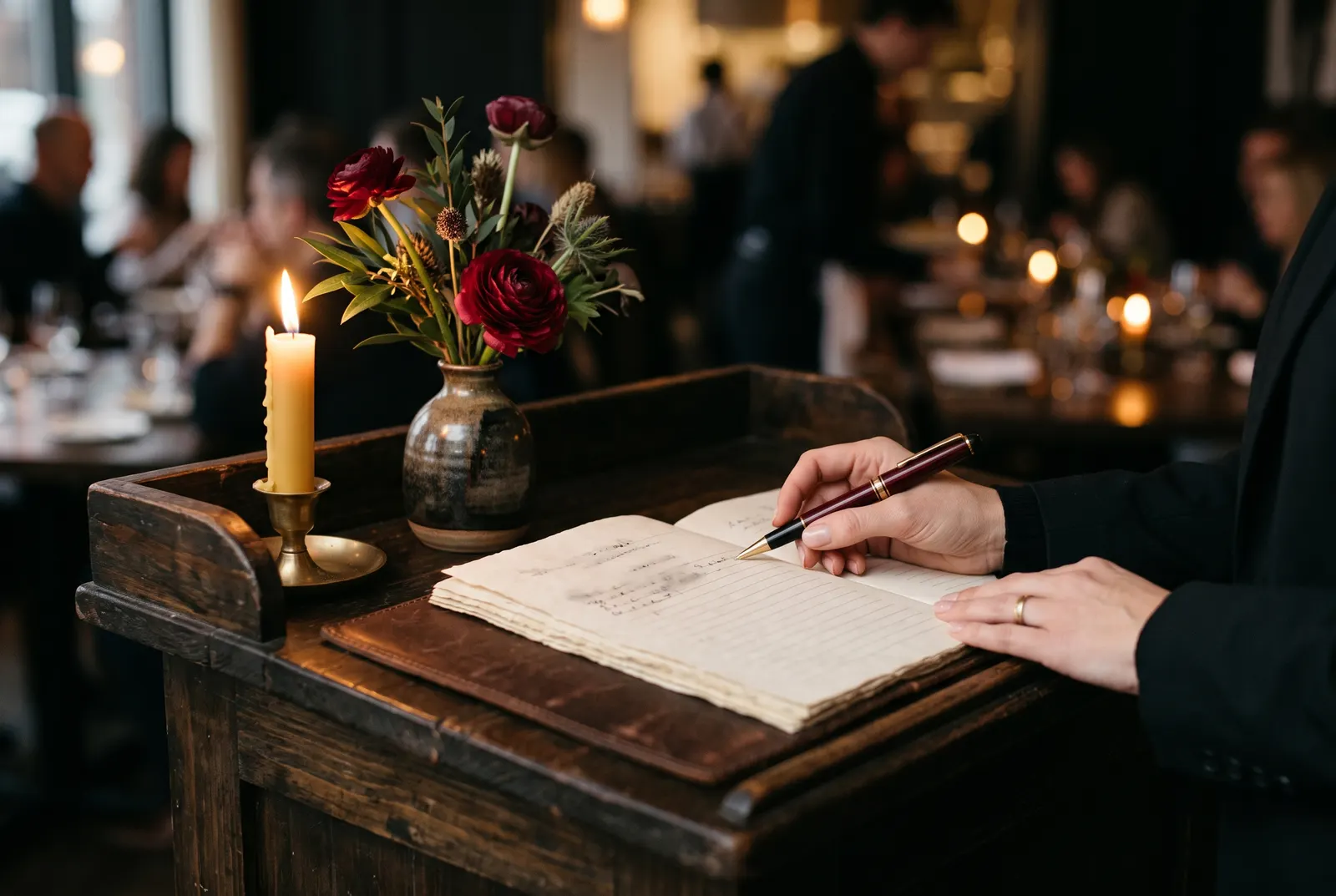
This is quieter work than the glass and the note, and it matters more. A guest book that keeps visit history, notes and allergies, open at the host stand before service, is what turns a nice gesture into a habit of the house. Guests forgive a busy night. They remember being known.
A short routine helps. Before service, go through each booking with a few questions:
- Is this a first visit or a return, and what do we know from last time?
- Did the guest choose a welcome, and who is preparing it?
- Are there allergies or notes that both the kitchen and the floor need to see?
- Which table did they choose, and is it set the way they will expect?
None of this needs a bigger team. It needs a little hospitality moved forward in time, from the door to the booking, and a way to make sure that what the guest said while booking reaches the people who will serve them.
That is how Couvert treats a reservation: a real table chosen by hand, held while the guest finishes, confirmed by text in their language, and a welcome already waiting when they sit down. The door is still where you meet them. It no longer has to be where the evening starts.