0% commission: what the big portals really cost you
The fee is only the visible part. The hidden cost is the guest list you never got to keep.
Every owner knows the line on the invoice. The big booking portals charge for each guest they seat, and at the end of the month the number is there in black and white. It is easy to argue about. Is it fair for a guest who found you on their own? Is it worth it in February? Those are real questions, but they are the smaller ones.
The larger cost never appears on an invoice at all. It is the guest list you never got to keep.
How the per-cover fee actually behaves
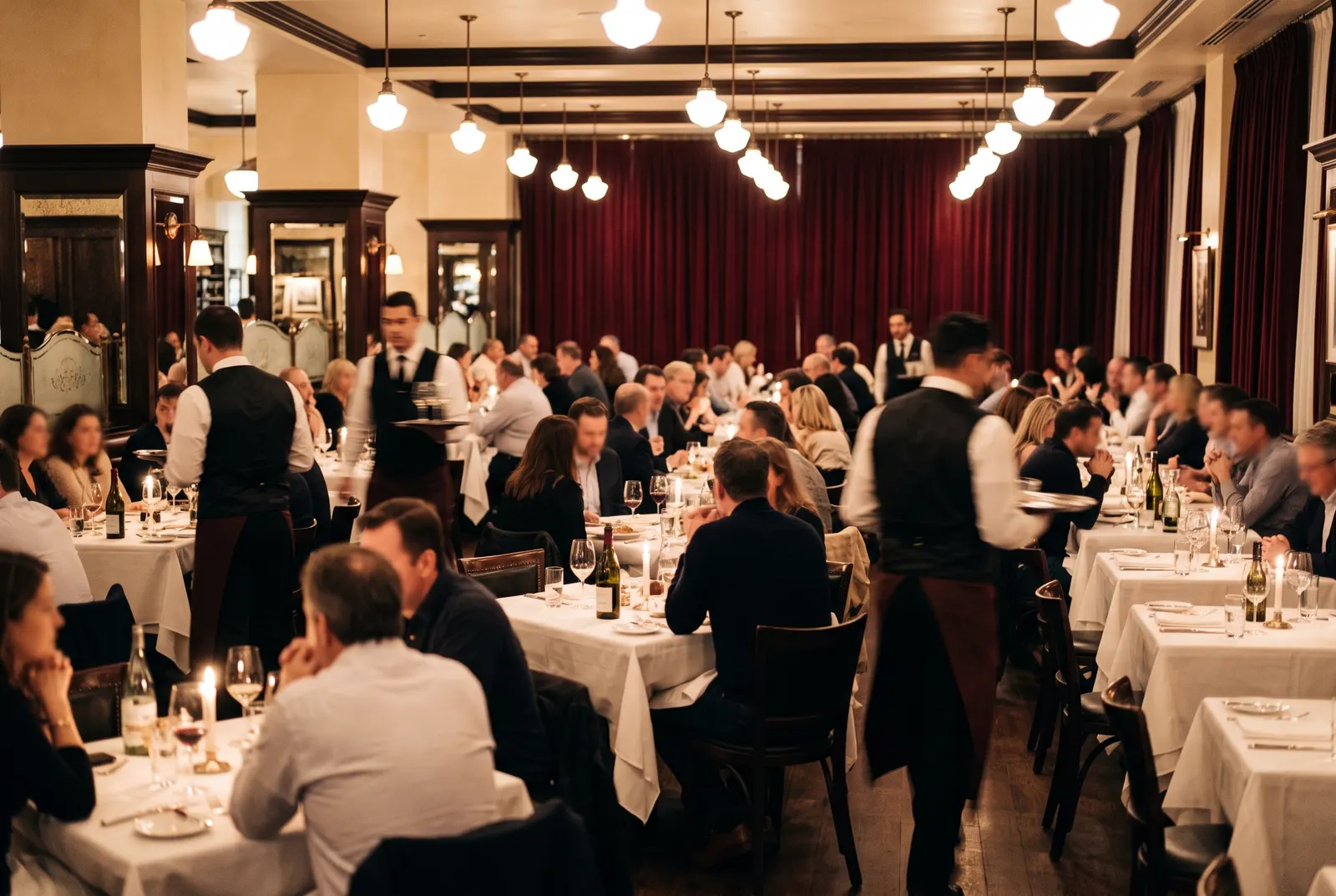
A fee per cover sounds like a marketing cost: the portal brings a guest, you pay for the introduction. In practice it rarely stays that tidy. Once a restaurant's bookings run through a portal, many guests book there out of habit, including the ones who already know you. The couple who come every anniversary. The regular who could have phoned. The guest who typed your name into a search bar, looking for you and nobody else. Each of them passes through the same gate, and each of them carries the same fee.
So the fee attaches to the relationship rather than the introduction. You pay again for people who were already yours. And because it grows with covers, it grows exactly when the restaurant is doing well. A full Friday costs more than a quiet Tuesday, which is an odd way to price a tool whose job is to fill the room.
None of this makes portals villains. For a new place, or a restaurant that lives on visitors to the city, being listed where people browse can matter. The question is what you give up in return, and whether you still need to give it up once the room is known.
Whose guest is it?
When a guest books through a portal, the portal holds the account. It has the email address and the phone number. It decides which messages the guest receives and when, and it has every reason to show that guest other restaurants the next time they open the app. Your page sits in a list, one listing among many, formatted in someone else's style, under someone else's name.
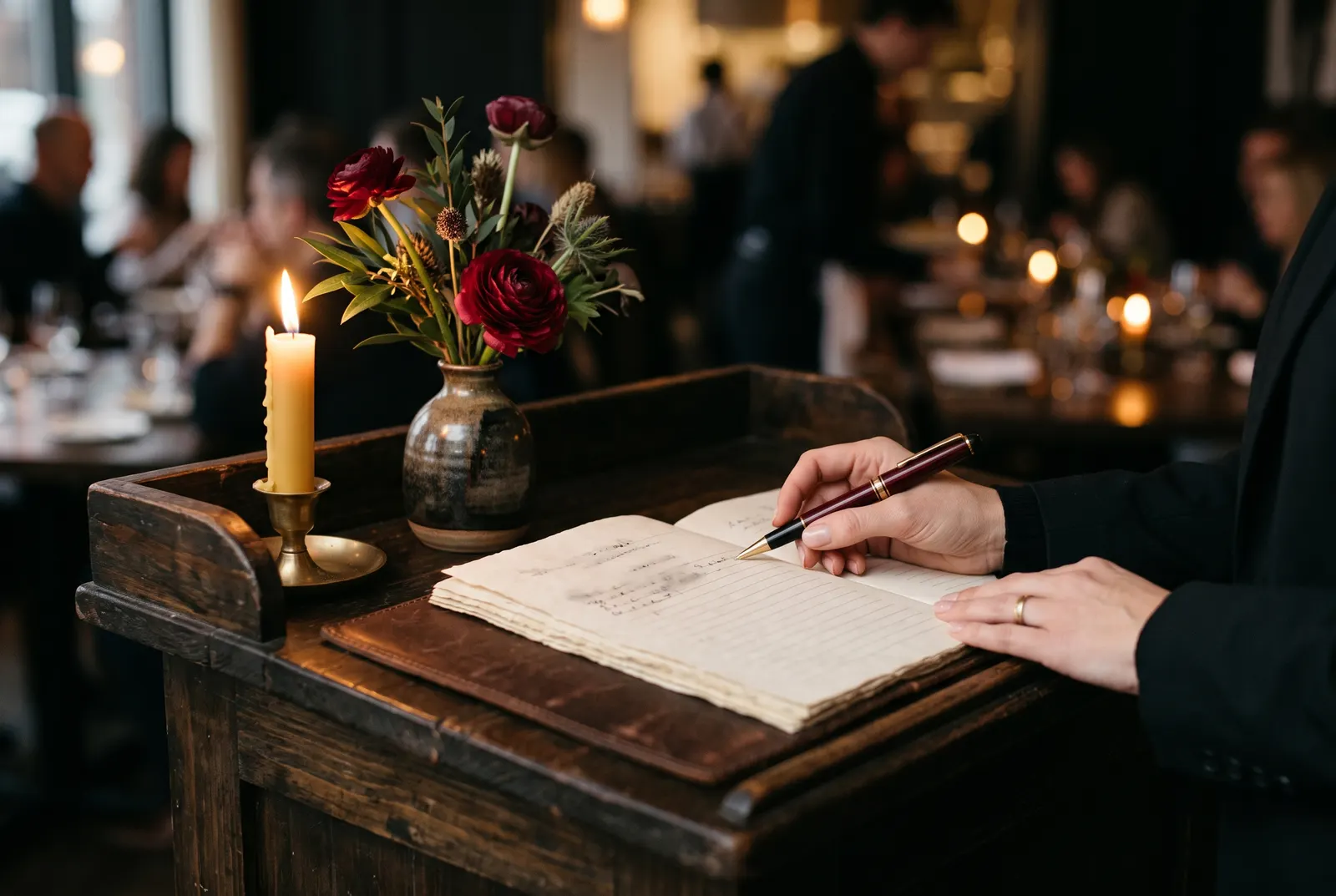
What reaches you is the booking itself: a name, a time, a party size, sometimes a note. What rarely reaches you, in a form you control, is the history. Which table they liked. That they came four times last winter and not once since the spring. That one of them does not eat shellfish. Over the years, that knowledge becomes the most valuable thing a restaurant owns after its lease and its people, and the portal model tends to keep it on the portal's side of the counter.
This is the hidden cost. It is quiet, because nothing breaks. The room still fills. But each season the restaurant knows its own guests a little less well than it could, and the channel that knows them better belongs to someone else.
What changes when booking lives at home
Take the booking back to your own site and your own domain, and the arithmetic changes along with the relationship.
- There is no fee per cover, so a regular costs nothing extra to seat and a busy night is simply a busy night.
- The guest meets your restaurant first, in your style and your languages, with no rival listing one scroll away.
- Every booking adds to your own guest book: visit history, notes, allergies, the table they chose.
- You can speak to your regulars directly, on your terms, on the nights you need them.
That last point is where the economics turn. A restaurant that knows its regulars can do something a portal will not do on its behalf: invite them back on a slow Wednesday, before the room sits half empty. It can reply to their reviews with care. It can greet them at the door by name, because the host read the note before service.
Counting the whole cost
When you weigh a portal against booking on your own site, put the visible fee on one side of the scale. Then add what the invoice leaves out. The regulars you pay for twice. The guest details you do not hold. The marketing channel pointed at your competitors. The evenings you could have filled with people who already love the place, if only you could reach them.
Then ask what the portal still gives you that you cannot get anywhere else. For some restaurants the honest answer is discovery, and a listing may be worth keeping for that alone. For many established rooms, the answer turns out to be smaller than the fee.
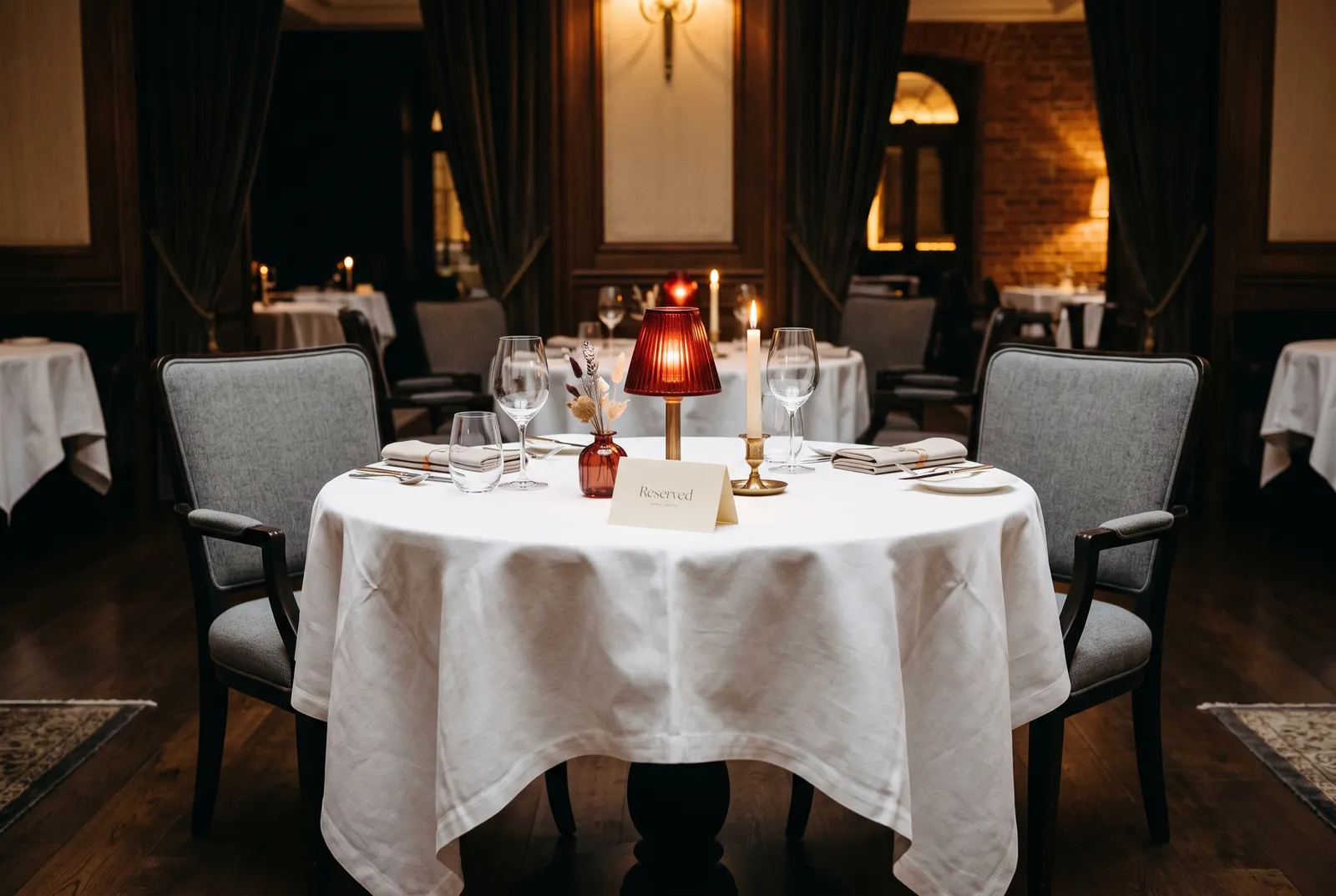
We built Couvert around that view. Bookings happen on the restaurant's own site, by choosing a real table in its own room, with 0% commission and no fee per cover. The guest book belongs to the restaurant, and the automations that bring regulars back work for the house rather than for a marketplace. At FLO in Rīga, all 68 seats are bookable on floresto.lv, under FLO's own name.
Whatever you choose, count the whole cost. The fee is only the part you can see.